news
Workshops, talks, papers, and media appearances.
2026
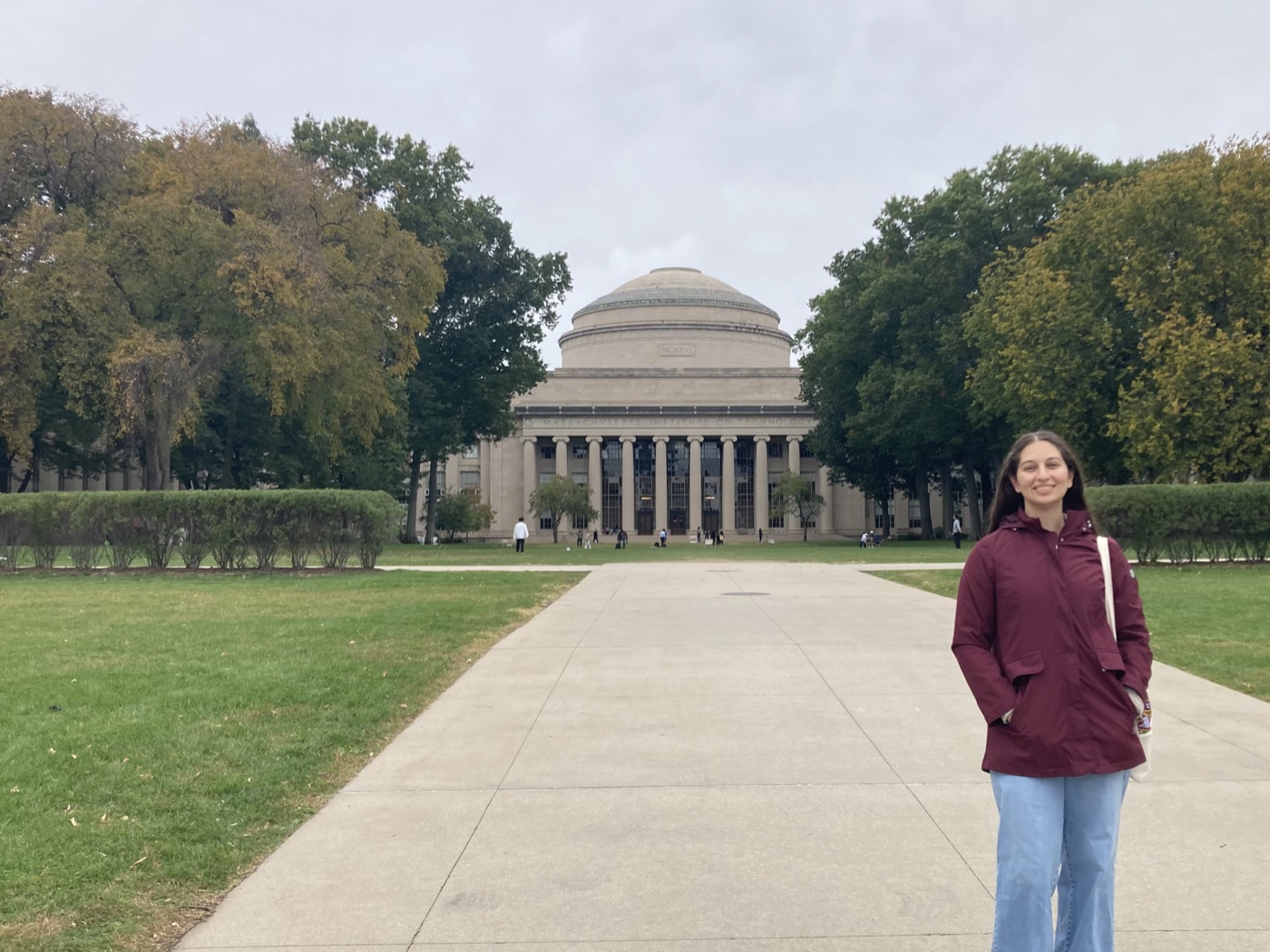
Named a 2026 Tayebati Postdoctoral Fellow at MIT
I joined the second cohort of Tayebati Fellows, who pursue research at the intersection of AI and other fields. My faculty mentors are Mingda Li (Nuclear Science and Engineering), Youssef Marzouk (AeroAstro), and Tess Smidt (EECS).
Read the announcement (archived) →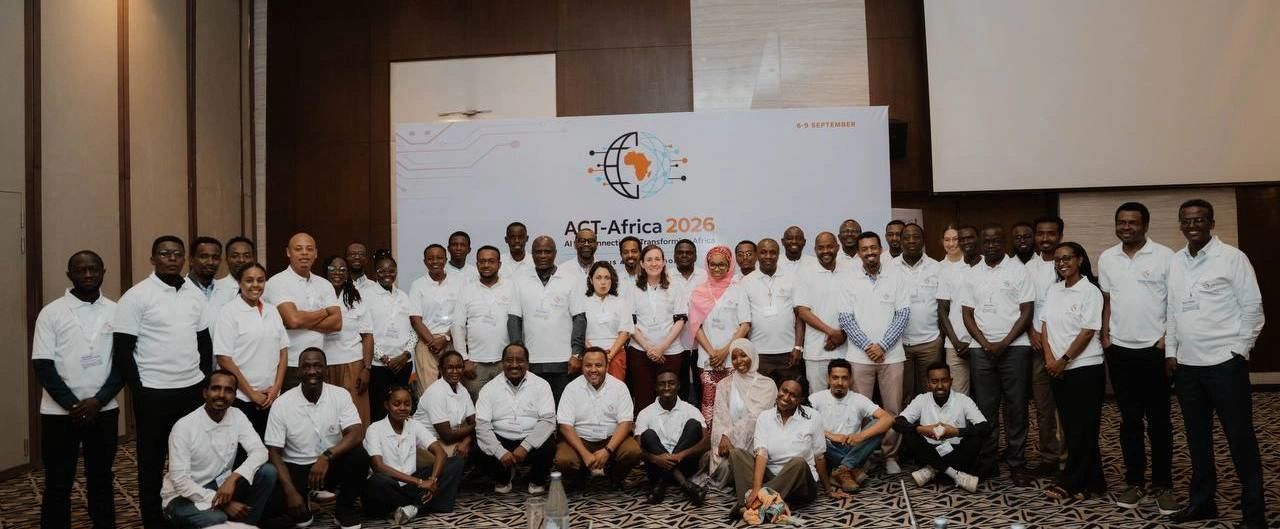
AI for Connecting and Transforming Africa (ACT-Africa 2026)
I gave an invited talk at this workshop on AI foundation models for researchers, developers, and policymakers working on Africa's AI future, supported by Schmidt Sciences.
Event page →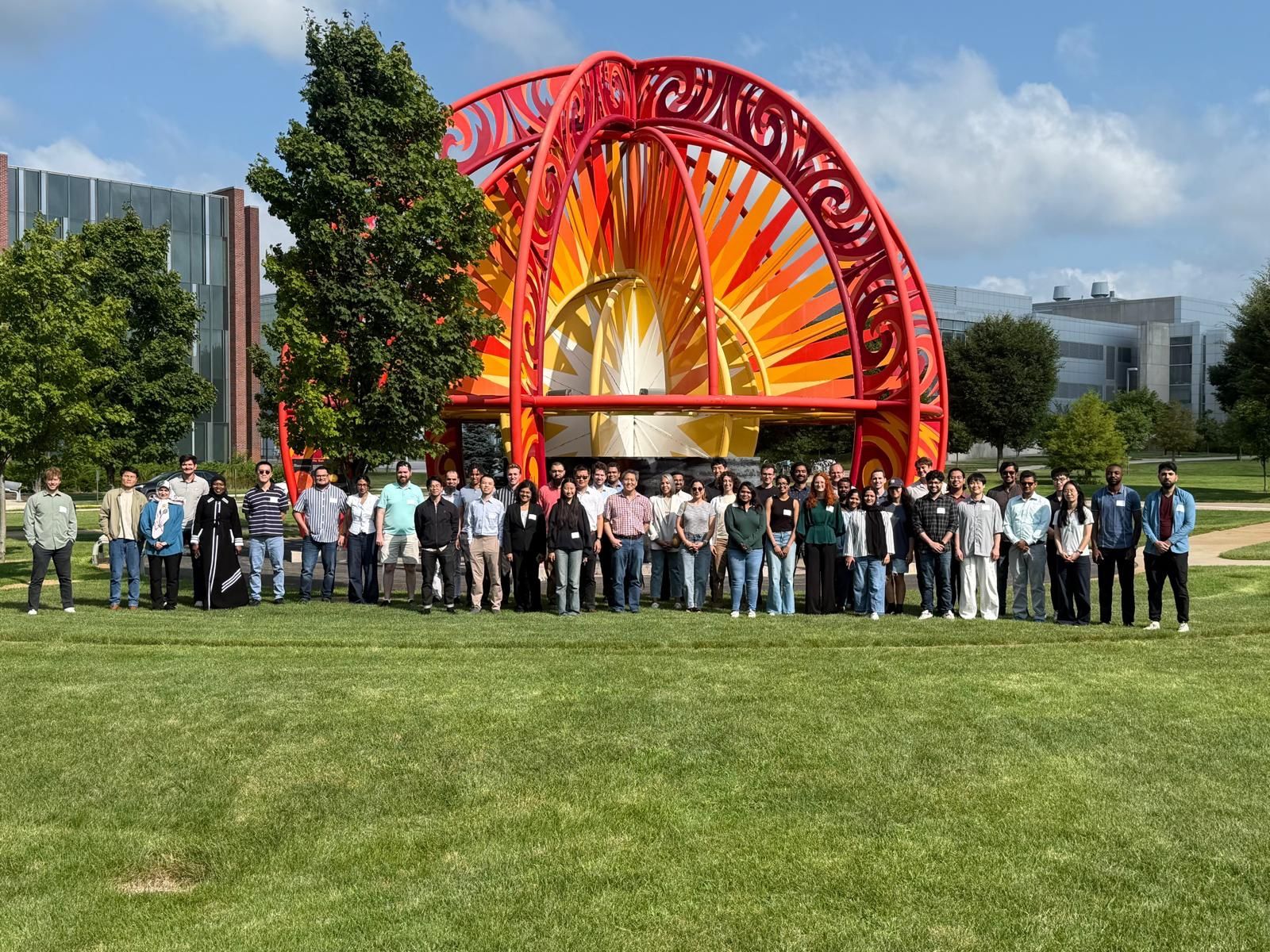
So You Want to Build a Digital Twin: A Zeroth Order Perspective

Trustworthy AI Tools for Science: A Philosophical, Computational, and Experimental Perspective
Trustworthiness for scientific AI/ML along three dimensions: philosophical frameworks for human alignment in the lab, explainable uncertainty quantification (xUQ) to diagnose a model that fails to make trustworthy predictions, and progress toward using xUQ in an autonomous battery-testing experiment. With Jason Hattrick-Simpers.
Abstract →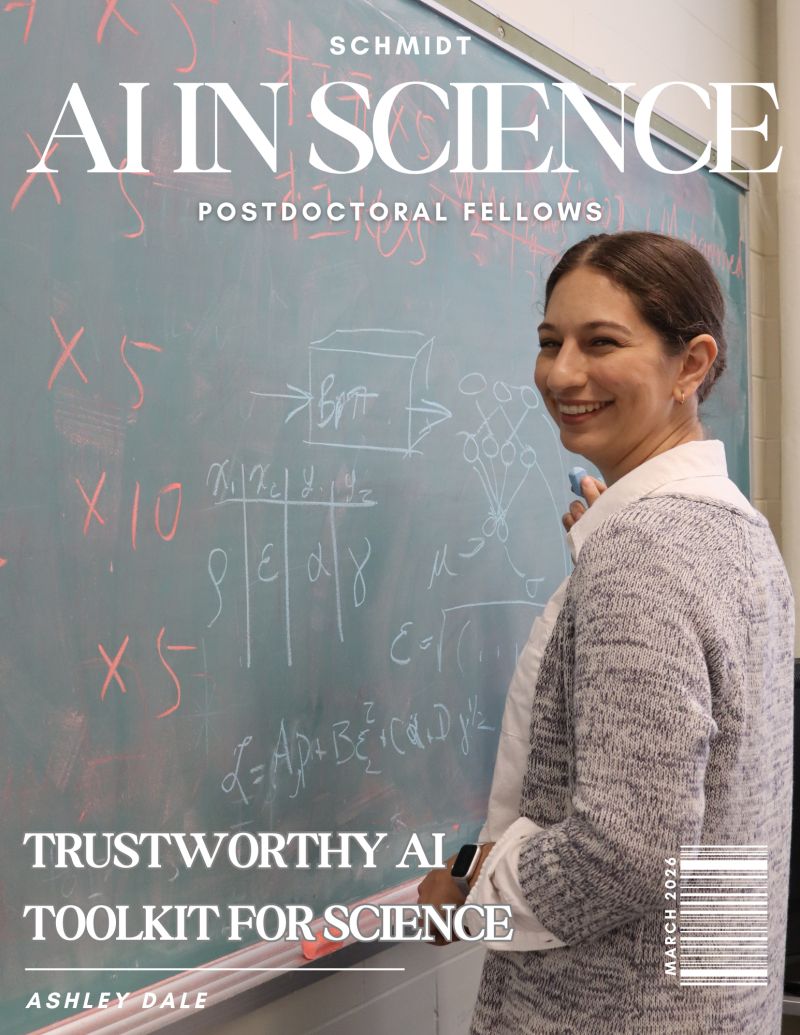
Spotlighted in the Schmidt AI in Science March magazine
The March magazine spotlights my work building the foundation for trustworthy AI in experimental science: rigorously evaluating the AI systems used in laboratory discovery, and bringing diverse AI approaches under one umbrella to bridge advanced algorithms and real-world science.
View the post →U of T Schmidt AI Fellows bring foundation models to the forefront of scientific research
2025
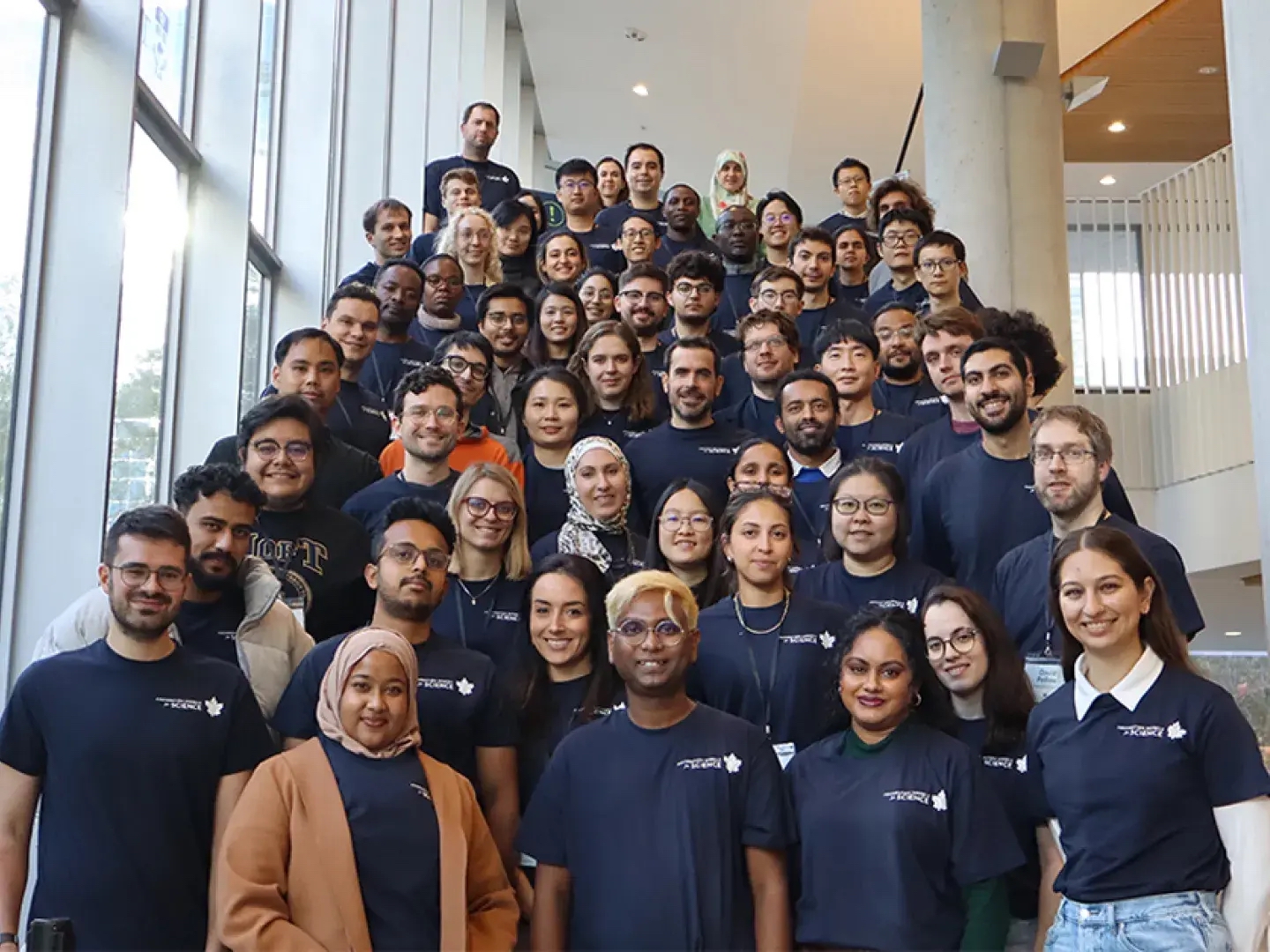
AI Foundation Models for Science Workshop 2025
A three-day, hands-on workshop on using AI foundation models for interdisciplinary science, with keynote and participant lectures, tutorials, and a hackathon. I co-organized it with fellow Schmidt AI in Science Postdoctoral Fellows at U of T.
Workshop site →Named a Purdue Engineering Trailblazers Fellow

Making AI work beyond the lab
A feature on TRAITS, the Trustworthy AI Toolkit for Science, which our team at U of T built to help scientists decide whether they can trust the results they get from AI. Includes a photo of my TRAITS presentation at Remarkable 2025.
Meet U of T's newest cohort of Schmidt AI in Science Postdoctoral Fellows
U of T introduced its newest cohort of Schmidt AI in Science Postdoctoral Fellows, featuring my project TRAITS (Trustworthy AI Toolkit for Science): open-source software to support AI/ML models scientists can trust, supervised by Jason Hattrick-Simpers in Materials Science & Engineering.
Read the article →Probing Feature Representations in ML Models for Materials Discovery Through Loss